Spicewalla Presents Le Vigne Extra Virgin Olive Oil, 2026 Harvest
Last year we brought one family's olive oil from Umbria to America for the first time. This year their trees gave us something bolder, louder, and just what we needed!
The 2026 Le Vigne Extra Virgin Olive Oil is greener, grassier, and more peppery than our first release, pressed from olives picked by hand in the hills outside Perugia, Italy.
Pour it raw, where you can taste it. Rub a cut tomato into grilled bread, salt it, and finish with a long drizzle. Swirl it over white bean soup or a bowl of rice and beans. Whisk it with lemon juice and a spoonful of Za'atar for a dressing that clings to greens. Keep a workhorse oil around for hard sears and let this one finish the plate!
We also dropped the price to $29.99. How it's grown, picked, and pressed stayed exactly the same. Only the price moved, because an oil this good belongs on a weeknight bowl of beans, not the back of the cabinet! Chef Meherwan found Le Vigne through a family friend and set out to be the first to bring it to the US. You can only buy it from Spicewalla.
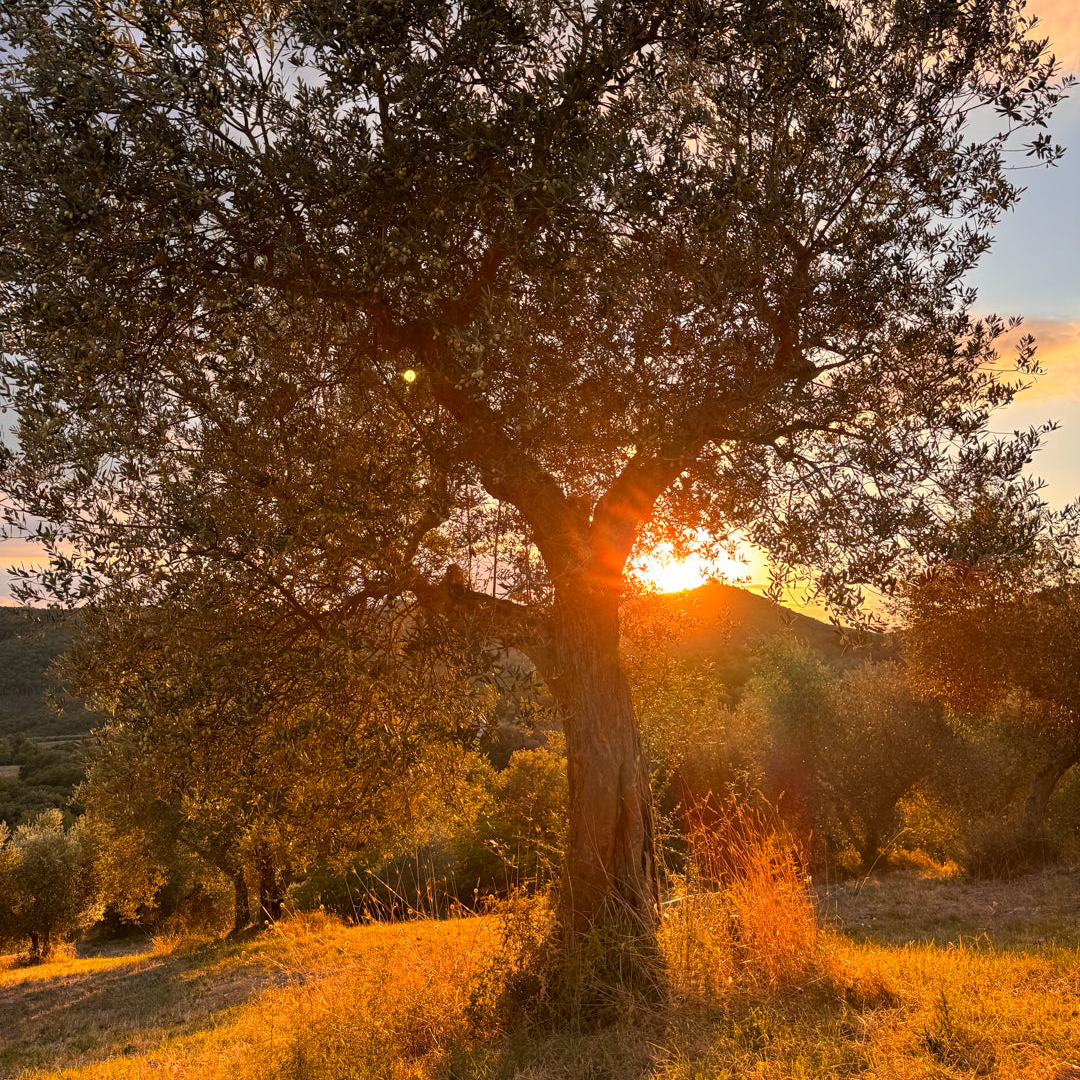
(Photos at the end are of Molly Irani, Spicewalla co-founder, at the Le Vigne farm in Perugia, Italy)
16.9 fl oz
In stock
Couldn't load pickup availability
Flavour Profile
Flavour Profile
From Hannyah at Le Vigne: "Our most recent harvest is the perfect expression of Umbrian olive oil, and one of our most balanced, polyphenol-rich olive oils to date. Pressed from our estate-grown Moraiolo, Frantoio, and Leccino olives, this is Umbria in a bottle. 2026 is grassy, golden, and fresh on the palate. Expect green tomato and fresh herbs on the nose, ripe fruitiness on entry, and a bold, peppery finish that warms the throat."
- Nose: green tomato and fresh-cut herbs
- First sip: ripe, round fruit
- Finish: a bold pepper that catches the back of your throat
- Color: green to golden
That catch in your throat is the good stuff. It comes from oleocanthal, one of the polyphenols in fresh, high-quality olive oil. Lab analysis puts this harvest at 584 mg/kg of polyphenols. Oils above 300 mg/kg count as high-polyphenol, and most supermarket extra virgin sits somewhere between 50 and 150. Light breaks olive oil down fast, flattening its flavour and stripping out polyphenols. A tin keeps every bit of light out. Store Le Vigne somewhere cool and away from the stove, and finish an opened tin within a few months.
Ingredients
Ingredients
100% Extra Virgin Olive Oil (Moraiolo, Frantoio, and Leccino olives)

One estate, 1,000 olive trees
Le Vigne means "the vines," a name left over from the vineyards that once surrounded the house. The building started life as a 12th-century convent.
Today, about 1,000 olive trees, between 18 and 47 years old, grow on its 15-plus acres within Umbria's Colline del Trasimeno protected designation of origin.
Picked by hand, cold pressed immediately
The 2026 release comes from the harvest at the end of 2025, pressed right away and sealed in tins in early 2026.
Pickers lay nets under each tree and comb the olives loose, so the fruit never hits the dirt. Bruised olives oxidize, and oxidation is where off flavours start.
Next, the olives reach Frantoio Il Nocciolino, a nearby mill that extracts our oil cold and adds no water. Why does the water matter? Polyphenols wash out with it. Leave it out and more of them stay in your tin.
Small batch and thoughtful, just like us.
Every olive in this tin comes from those 1,000 trees.
The estate never blends its fruit with a neighbor's, and a small team prunes each tree by hand every spring.
Nobody tills the soil here. Olive roots run shallow, so grass stays between the rows to hold the hillside together when it rains. When the olive fly shows up, the trees get a coat of white kaolin clay instead of synthetic pesticides.
EXTRA VIRGIN OLIVE OIL FAQS
How is the 2026 oil different from last year's?
Same estate, same trees, same hands.
Olive oil is a farm product, and no two seasons repeat. Nature is unpredictable! Rain, heat, and the exact week of picking all shape the fruit.
Olive trees also alternate on their own, so a heavy crop tends to follow a light one. Le Vigne doesn't push its trees with fertilizer, which means the land sets the pace and the yield swings with it.
This year the land gave us an oil that's greener, grassier, and more peppery than our first release. If you loved last year's smooth finish, expect more kick.
Can I cook with le vigne extra virgin olive oil?
Yes. It handles a gentle sauté or a tray of roasting vegetables. Its grassy, peppery character shows best raw, though, so finishing is where it earns its keep.
Why does the tin say 2026 if the olives were picked in 2025?
The harvest ran at the end of 2025, and the oil went into tins in early 2026. We name each release for the year you'll be pouring it.
Why does it cost less this year?
We cut the price, not corners.
It's still single-estate, hand-harvested, and cold-extracted at the same mill.
We wanted you to cook with it every day so we made it easier to afford.
What are polyphenols? Do they matter?
Polyphenols are natural antioxidants in olives. They're also where much of the flavour lives. The bitterness and the throat-catching pepper both come from them, and they help protect the oil itself from going stale.
The numbers in olive oils can vary widely. And few bottles print a polyphenol count. Le Vigne Extra Virgin Olive Oil tested at 584 mg/kg of total polyphenols. For context, oils over 300 mg/kg count as high-polyphenol.
Producers who test for it tend to share it, so when a brand stays quiet on the number, that silence tells you something.
Polyphenols also fade with time and light, which is why we bottled ours in a tin!
Are the olive trees sprayed with pesticides?
We asked Hannyah, who is a member of the family who owns the farm. She said "not with synthetic pesticides. For the past three years the only treatments have been natural ones, and no organic or mineral fertilizer has gone on the land in that time.
The biggest threat is the olive fly, which lays its eggs inside the fruit. Le Vigne's answer is kaolin, a fine white clay sprayed over the trees. It dries into a thin film on the olives, and the flies tend to steer clear. Copper-based foliar sprays round out the care."
Spicewalla Presents Le Vigne Extra Virgin Olive Oil, 2026 Harvest Recipes
-
Appetizer
Olive Tapenade
-
Spicewalla x Le Vigne
Tasting the 2026 Le Vigne Olive Oil